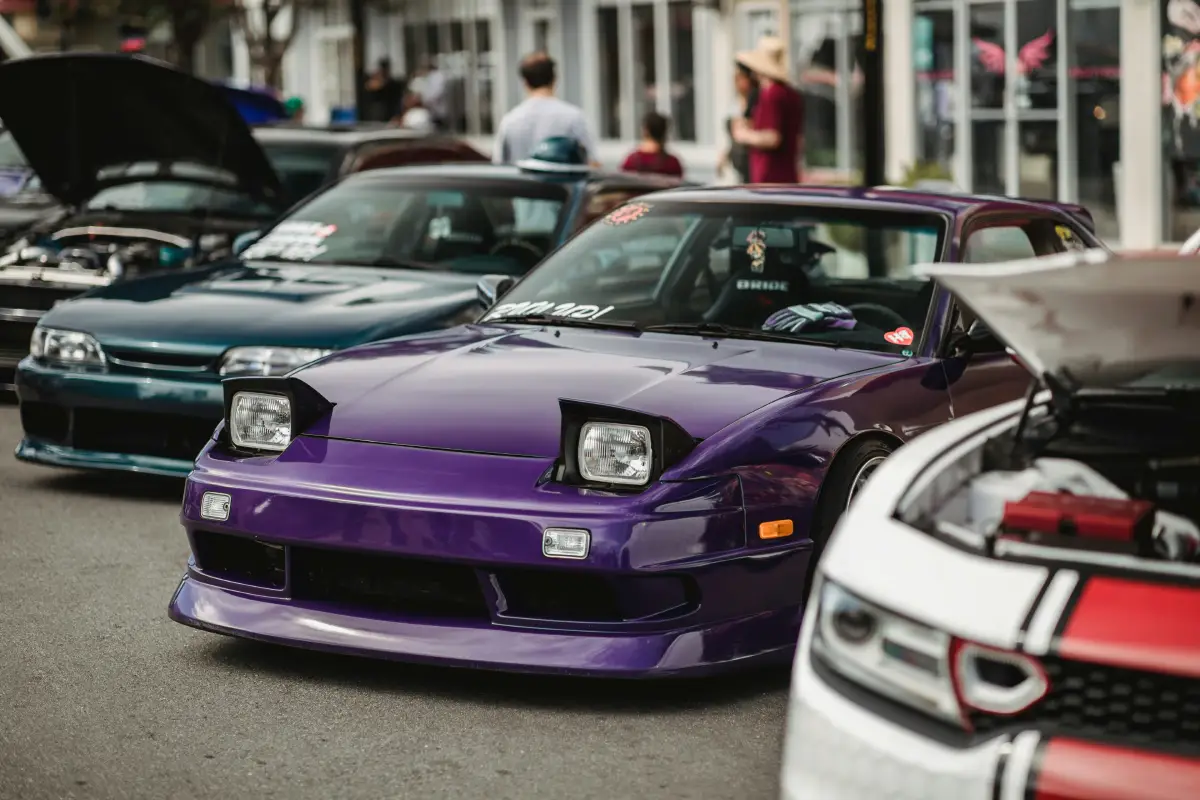
For decades, New Jersey’s car culture was synonymous with rumbling muscle cars and polished hot rods, but over the last twenty years the import tuner scene has transformed the state’s automotive identity. From the shores of Jersey City to the suburbs of Edison, brightly wrapped coupes and low-slung hatchbacks now line up at meets that once catered exclusively to American classics. The rise of tuner culture here is a story of accessibility and innovation, where young enthusiasts armed with laptop tuning software and coilover kits have reshaped what it means to be a gearhead in the Garden State. The movement reflects a global shift, blending Japanese and European design influences with local flair.
Early Roots
The roots of New Jersey’s tuner scene trace back to the late 1990s when gray-market imports began filtering into ports along the East Coast. Early adopters flocked to nimble Civics, Integras, and 240SXs, drawn by their affordability and modification potential. Online forums like NJTuners and early message boards became hubs for sharing DIY guides and arranging clandestine meetups in industrial parks. As the Fast and Furious franchise gained popularity, interest exploded, and what began as small gatherings of night owls evolved into organized events with hundreds of participants. The soundtrack shifted from the rumble of V8s to the spool of turbos and the pop of blow-off valves.
Weekly Meets
Today, weekly meets are a staple of the NJ tuner calendar, often tucked into the back lots of strip malls or along the Hudson waterfront. These events showcase the community’s creativity, with cars sporting wide-body kits, anime-inspired liveries, and meticulously shaved engine bays. It’s not uncommon to see a stance-focused Volkswagen rubbing shoulders with a purpose-built time-attack Subaru. The meets are more than parking-lot shows; they’re open-air galleries where builders trade tips on air suspension setups, custom lighting, and the latest ECU flashes. Respect is earned through craftsmanship and originality rather than cubic inches.
Cultural Fusion
Cultural fusion plays a significant role in the scene’s vibrancy. Many enthusiasts draw from their heritage, incorporating elements of Japanese, Korean, or European aesthetics into their builds. You’ll find kanji decals next to Italian Alcantara interiors and German turbochargers feeding American-made engines. This blending of influences mirrors New Jersey’s diverse population and turns every meet into a cross-cultural celebration. Food trucks serving boba tea and Korean barbecue park alongside classic diner fare, creating a social atmosphere that attracts families and photographers as much as mechanics. The scene’s inclusivity has made it a welcoming entry point for new enthusiasts.
Tuning Shops and Support
The rise of professional tuning shops across the state has further fueled the movement. Businesses in places like Clifton, Cherry Hill, and Hamilton specialize in everything from dyno tuning to bespoke fabrication, offering services once limited to high-end race teams. Access to quality parts has improved, with local suppliers stocking JDM imports and performance brands, reducing the wait times and shipping costs that once plagued builders. These shops serve as community hubs where novice drivers can seek expert advice and veterans can push the limits of what street-legal cars can achieve. The symbiosis between enthusiasts and businesses has strengthened the scene’s infrastructure.
Social Media Spotlight
Social media has propelled the NJ tuner culture into the spotlight, amplifying builds that might otherwise have remained local legends. Instagram reels and YouTube vlogs showcase night cruises through Hoboken and dyno days in Paramus, inspiring viewers worldwide. Influencers host “pop-up” meets announced hours before they happen, drawing massive turnouts and sometimes the attention of local law enforcement. The digital realm also facilitates charity drives and organized cruises, proving that the culture can be both responsible and community-minded. Online visibility has encouraged higher build standards as owners strive for viral recognition, creating a friendly arms race of creativity.
Influence on Traditional Shows
The import tuner scene’s impact on traditional car shows has been undeniable. Events like the Atlantic City Classic, once dominated by chrome bumpers, now feature dedicated import halls where Supras and GTRs share space with lowriders and exotics. Judging criteria have evolved to appreciate meticulous engine bay wire tucks and airbrush artistry alongside classic restoration techniques. As a result, attendance has broadened, attracting younger audiences and encouraging cross-generational dialogue. The integration of tuner culture has breathed new life into events that risked stagnation, ensuring the future of New Jersey’s car shows remains dynamic and diverse.
Looking Forward
Looking ahead, the tuner community faces new challenges and opportunities. The push toward electrification has sparked debates about the future of combustion-based customization, yet innovators are already experimenting with EV swaps and hybrid performance builds. Environmental regulations and noise ordinances require organizers to work closely with municipalities to keep events safe and legal. Despite these hurdles, the passion driving the scene shows no signs of waning. As long as there are backroads to cruise and stories to share, New Jersey’s import tuner culture will continue to evolve, proving that car enthusiasm is as adaptable as it is enduring.