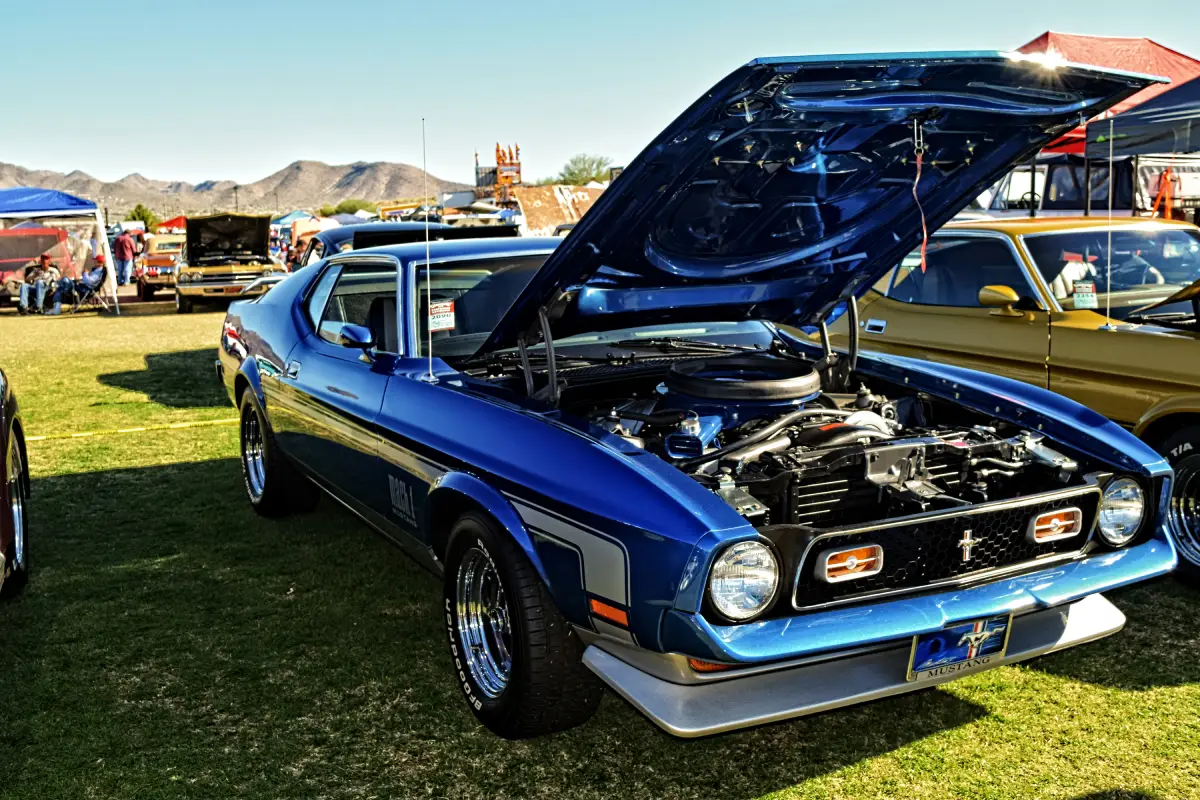
Taking on a muscle car restoration in New Jersey is as thrilling as it is daunting. The state's salty winters and humid summers have not always been kind to the vintage iron hiding in barns and backyards, yet these hidden treasures continue to inspire new generations of builders. A first-time restorer quickly learns that the project is more than mechanical work; it's a commitment to history, craftsmanship, and patience. The roar of a big-block V8 and the gleam of fresh paint become the reward for countless evenings spent under fluorescent lights, planning each stage and learning through trial and error. Every bolt turned brings the dream of cruising down the Parkway a little closer.
Create a Plan and Budget
The foundation of any successful restoration is a realistic plan and an honest budget. Before buying that project car, assess your skills, workspace, and the amount of time you can dedicate each week. Create a detailed checklist of tasks, from stripping the body to rebuilding the drivetrain, and attach estimated costs to each item. Factor in unexpected expenses, because hidden rust and missing trim pieces are almost guaranteed. Many restorers save money by doing disassembly and cleaning themselves while leaving specialized tasks like machining or paintwork to professionals. A well-structured plan prevents burnout and keeps the project moving forward even when challenges arise.
Fight Rust Early
Rust is the perennial enemy of Northeast cars, so addressing the body early is crucial. Begin with a thorough inspection of the frame, floor pans, and wheel wells, marking any suspect areas with tape. Media blasting or chemical dipping can reveal the true condition beneath old paint, allowing you to repair or replace panels before structural integrity is compromised. When cutting out rot, always weld in new metal rather than relying on filler; a solid body not only looks better but also ensures safety on the road. Protective coatings and proper storage during the build will keep fresh metal from oxidizing before the project is complete.
Track Down Quality Parts
Sourcing parts can be a scavenger hunt, but New Jersey's vibrant swap-meet circuit and online communities make it manageable. Attend local events like the Englishtown Spring Swap Meet to network with vendors and fellow enthusiasts who may have the exact trim piece you need. Online forums and social media groups are gold mines for advice and leads on rare components. Keep a spreadsheet of part numbers, vendors, and prices to avoid duplicate purchases and to track your spending. When possible, buy quality reproduction parts from reputable suppliers; they may cost more upfront but save headaches during installation and future maintenance.
Rebuild the Heart
The heart of any muscle car is its engine, and rebuilding it can be the most satisfying part of the restoration. Start by documenting every step of disassembly with photos and labeled bags for hardware. Have the block and heads professionally inspected and machined to ensure reliability. When reassembling, use assembly lube generously and torque components to factory specifications. Upgrading to modern gaskets, electronic ignition, or a mild performance cam can improve drivability without compromising the car's classic character. Pair the refreshed engine with a rebuilt transmission and rear end to handle the power and deliver smooth, dependable performance.
Refresh the Interior
Interior restoration often gets overlooked, yet it is where you'll spend most of your time once the car is back on the road. Carefully remove seats, dash components, and wiring harnesses, noting original configurations. Cleaning and refurbishing existing pieces can preserve authenticity, but don't hesitate to replace worn carpeting or cracked dash pads with quality reproductions. Pay attention to insulation and sound deadening; new materials can dramatically reduce noise and heat. Reupholstering seats in period-correct fabrics or vinyl not only enhances comfort but also completes the transformation from project car to show-worthy cruiser.
Blend Modern Upgrades
Modern upgrades can enhance safety and enjoyment, but they should complement the car's vintage appeal. Consider installing disc brakes, radial tires, or power steering to make the driving experience more manageable. Subtle enhancements like LED lighting or a hidden Bluetooth receiver can add convenience without detracting from originality. Always make modifications reversible in case future owners want to return the car to factory condition. Balancing authenticity with usability is an art, and the best restorations respect the car's heritage while acknowledging the realities of modern traffic and driver expectations.
Join the Community
Above all, embrace the journey and tap into the camaraderie of the restoration community. Join local clubs, attend tech sessions at shows, and don't be afraid to ask for help when you hit a roadblock. Sharing progress photos and swapping stories with others keeps motivation high, especially when a stubborn bolt refuses to budge or a back-ordered part stalls the build. Every challenge overcome becomes part of the car's story, turning the finished vehicle into more than just a machine—it becomes a rolling testament to dedication and passion. When the engine finally fires and the tires meet the asphalt, you'll know the countless hours were worth it.